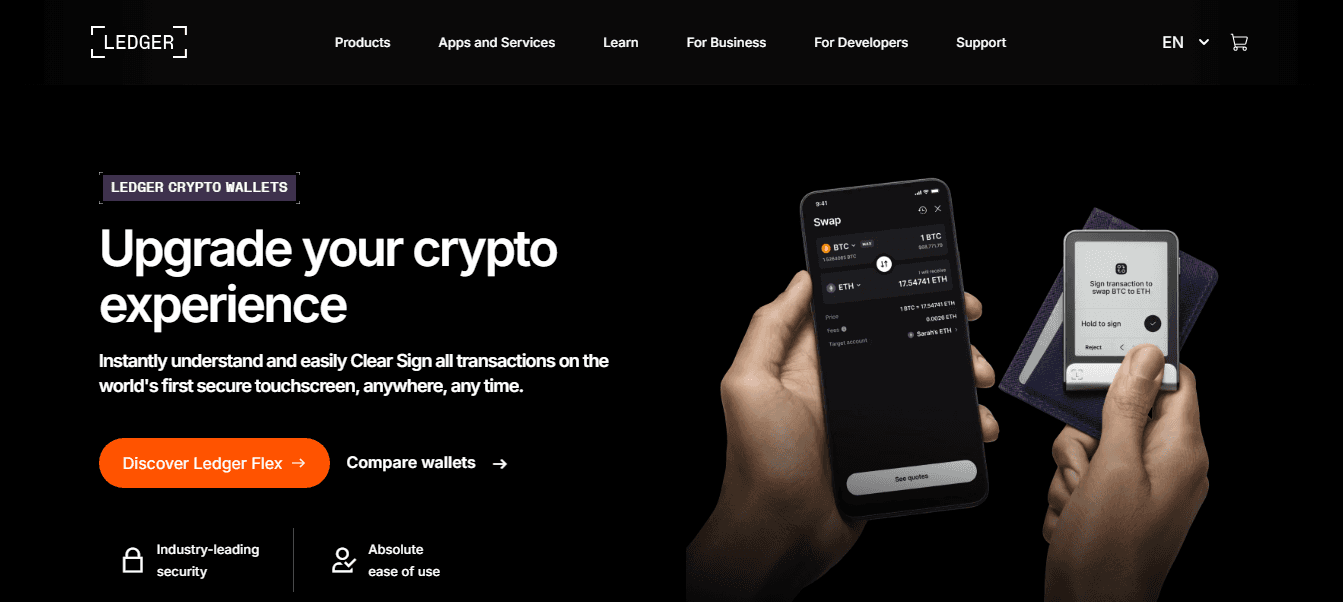
Ledger Live: A Complete 1200-Word Guide to Understanding the Platform
Ledger Live is the official software application created for users of Ledger hardware wallets. It serves as the central hub where you can view, organize, and interact with your cryptocurrency accounts. Rather than functioning as a wallet on its own, Ledger Live acts as the interface that communicates with your Ledger device, allowing you to manage digital assets in a safer, more structured environment.
This long-form guide explains how Ledger Live works, what its main features are, how it protects user security, and why it plays an essential role in the Ledger ecosystem. It is written to help any reader—whether new or experienced—understand the platform clearly and confidently.
1. What Ledger Live Really Is
Ledger Live is best described as a management dashboard that connects to Ledger hardware wallets such as Ledger Nano S Plus, Ledger Nano X, and Ledger Stax. While the hardware wallet stores your private keys offline, Ledger Live provides the tools and interface to view balances, check activity, monitor portfolio changes, and organize crypto accounts.
Unlike browser extensions or online platforms, Ledger Live operates as a standalone desktop and mobile application. This structure minimizes the risks associated with web-based attacks, phishing, or unauthorized access. All sensitive operations, such as signing transactions, still require confirmation on the physical device.
Simply put:
Ledger Live = interface
Ledger hardware = secure key storage
Both work together to create a complete crypto-management environment.
2. The Purpose of Ledger Live
Ledger Live is designed to bring simplicity and structure to managing multiple digital assets. Instead of relying on several third-party tools, Ledger Live lets you combine everything into one unified app. Users can track various coins, add accounts for each blockchain network, and monitor every transaction with transparency.
Its core purposes include:
• Viewing asset balances
Users can see real-time values of their holdings and view the distribution across different currencies.
• Organizing crypto accounts
Ledger Live lets you create accounts for each supported cryptocurrency and manage them separately.
• Tracking portfolio changes
The app provides charts, historical value tracking, and performance details over time.
• Safely interacting with blockchain networks
When sending or receiving transactions, Ledger Live coordinates the process while the hardware wallet signs everything securely.
• Installing apps for supported cryptocurrencies
Ledger devices require tiny software “apps” for each coin, and Ledger Live manages these installations and updates.
Overall, Ledger Live acts as a secure bridge between users and the blockchain world.
3. Setting Up Ledger Live: What to Expect
Before using Ledger Live, users normally perform a setup process with their hardware wallet. While this guide does not describe how to buy or invest in anything, it explains the general structure of the setup experience so readers understand what Ledger Live is designed to handle.
When a Ledger device is initialized, the user creates a PIN and writes down a 24-word recovery phrase. Ledger Live then guides the user through checking these details, installing apps for supported coins, adding accounts, and organizing the wallet interface.
Ledger Live does not store recovery phrases or private keys. Instead, it verifies that the device is properly configured and ready for use. This design ensures that the app plays a supportive role without holding critical information.
4. Ledger Live’s User Interface and Experience
Ledger Live has a modern, intuitive layout that makes it easy to navigate. The interface generally includes sections such as:
• Dashboard
The dashboard provides an overview of total holdings, recent activities, and overall portfolio distribution. Users can quickly see how their assets are spread across various cryptocurrencies.
• Accounts
Each cryptocurrency requires its own account. For example, Bitcoin accounts operate separately from Ethereum accounts. Ledger Live keeps these neatly organized so the user can navigate between them easily.
• Portfolio
This section illustrates value trends, growth, and changes over time. It acts as a visual summary of how the entire collection of assets has performed historically.
• Manager
This area allows users to install or uninstall apps on the Ledger device. Since Ledger devices have limited storage, the Manager helps users organize which crypto apps are active at any time.
• Settings
Ledger Live’s settings area includes device information, customization options, language preferences, and advanced features such as experimental tools.
The interface is designed to be clean and minimal, making it accessible even for beginners.
5. Managing Crypto Accounts with Ledger Live
One of the most important features of Ledger Live is account management. Each account operates independently, offering transparency into transaction history, balances, and network information.
Adding accounts
To organize assets, users add accounts through Ledger Live. This involves selecting a cryptocurrency, syncing the blockchain data, and allowing Ledger Live to display verified transaction history.
Viewing account activity
Each account provides details including pending transactions, confirmed transfers, and overall balance fluctuations.
Managing multiple networks
Ledger Live allows the user to create several accounts for the same cryptocurrency. For example, someone may organize separate Bitcoin accounts for long-term storage and smaller, frequently used holdings.
This flexibility helps keep digital assets neatly separated and easy to review.
6. Sending and Receiving Crypto Safely
Ledger Live’s structure emphasizes safety when sending and receiving digital assets. Here’s how it works conceptually:
Receiving crypto
Ledger Live generates receiving addresses directly from the hardware wallet. The address is displayed on both the device and the app. Verifying the address on the device ensures it hasn’t been altered by malware.
Sending crypto
When sending funds, Ledger Live allows users to enter the destination address and amount. The hardware wallet then displays the exact details, requiring physical approval before signing.
This two-step confirmation protects users from unauthorized or accidental transfers.
7. Ledger Live Security Features
Security has always been the foundation of the Ledger ecosystem. Ledger Live contributes to that protection in several ways:
• Hardware-based authentication
All sensitive actions require device confirmation. Ledger Live alone cannot authorize any transaction.
• Offline private keys
Private keys never touch Ledger Live or the computer. They remain stored in the hardware wallet’s secure environment.
• Address verification
Users must confirm receiving addresses on the device to prevent manipulation.
• Secure app communication
Ledger Live communicates with the device using encrypted channels.
• No seed phrase storage
The app does not store recovery phrases, PINs, or passphrases. This helps reduce user exposure to digital threats.
With these protections, Ledger Live becomes a safe environment for interacting with blockchain networks.
8. Extra Features Inside Ledger Live
Ledger Live includes several additional tools that improve overall user experience. These features do not involve financial advice—they simply enhance navigation and organization.
• Custom naming
Users can rename accounts to better identify them.
• Notifications
Ledger Live can alert users about new app versions, device firmware updates, or account activity.
• Market data display
The app provides general asset information, such as price charts and historical data, to help users understand the market environment without interacting with trading tools.
• Advanced options
As Ledger Live evolves, new features are periodically introduced, giving users better control, improved interface tools, and greater blockchain compatibility.
9. The Role of Ledger Live in the Ledger Ecosystem
Ledger Live completes the Ledger system by acting as the visual interface for all communication between the user and their hardware wallet. It simplifies organization while encouraging safe habits like verifying information on the device and keeping recovery phrases offline.
It is not a trading platform, not an exchange, and not a place to hold private keys. Instead, Ledger Live is the secure environment where users manage the accounts connected to their hardware wallet.
Conclusion
Ledger Live is a powerful, structured, and secure application designed to work hand-in-hand with Ledger hardware wallets. By providing clear portfolio organization, account management tools, device app installation, transaction handling, and strong security integration, Ledger Live makes it easier for users to manage digital assets while maintaining complete control over private keys.
Its focus on safety, transparency, and simplicity is what makes it one of the most widely used crypto-management applications in the hardware wallet industry.